
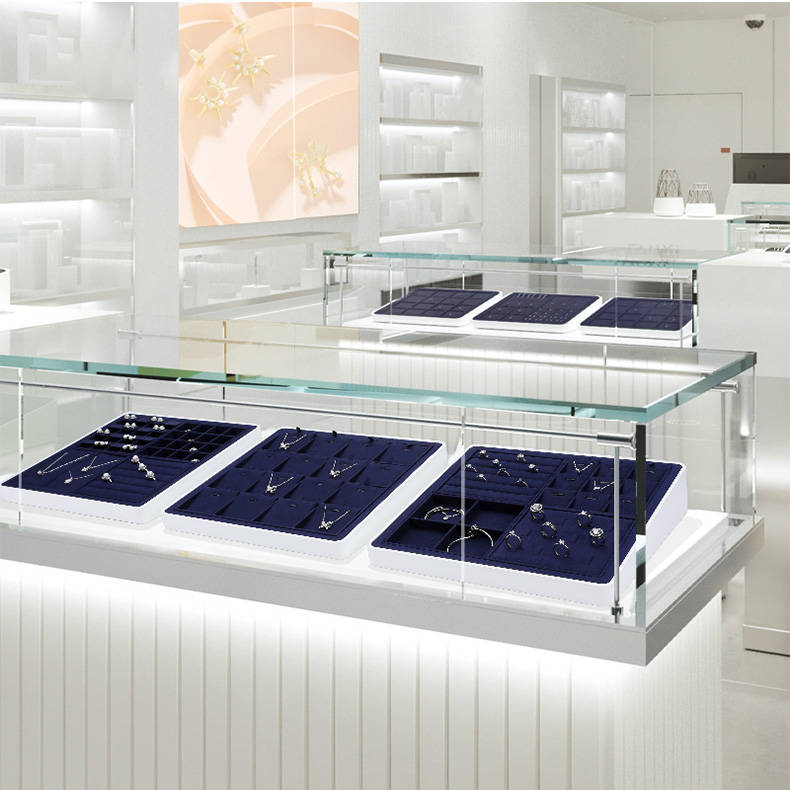
Proper maintenance of jewelry display trays can ensure their aesthetic, functionality and longevity–ensuring they continue to protect and present jewelry securely. Below are tailored tips based on some of the most commonly used tray materials:
1.Velvet/Suede Trays
Velvet and suede require special care to avoid fabric damage: Regular Dusting: For regular surface dust removal, use a soft bristled brush such as a makeup or small dusting brush to periodically dust off surface areas of fabric, which prevents dirt from settling into fabric fibers and becoming embedded.
Stain Treatment: For smaller stains (e.g., makeup or minor spills), gently dab the affected area with a clean damp cloth to blot (avoiding rubbing as this could push deeper stains or cause fabric damage) without soaking your tray in any liquid detergent solution.
Drying: After blotting, allow your tray to air dry in a well-ventilated area away from direct sunlight or other sources of heat before placing jewelry back onto it. Sunlight or heat can fade velvet/suede fabrics and cause shrinkage issues.
2. Leather or PU Leather Trays
Leather and PU leather require regular upkeep in order to avoid cracking or discoloration:
Routine Cleaning: Wipe down the tray’s surface using a damp microfiber cloth dampened with mild soap (e.g. baby shampoo) to eliminate dirt or fingerprints from its surface. Harsh chemicals (such as alcohol or bleach) should be avoided as these could strip its finish away and damage its leather finish.
Conditioning (Genuine Leather Only): Every 2-3 months, apply a leather conditioner (designed specifically for full-grain or top-grain leather) in order to keep the material soft and prevent cracking or drying/cracking. Always read and follow any specific instructions from the conditioner (such as applying thin layers and buffing with a clean cloth).
Avoid Moisture: In case the tray gets wet, wipe it dry immediately with a clean towel to avoid water spots or warping.
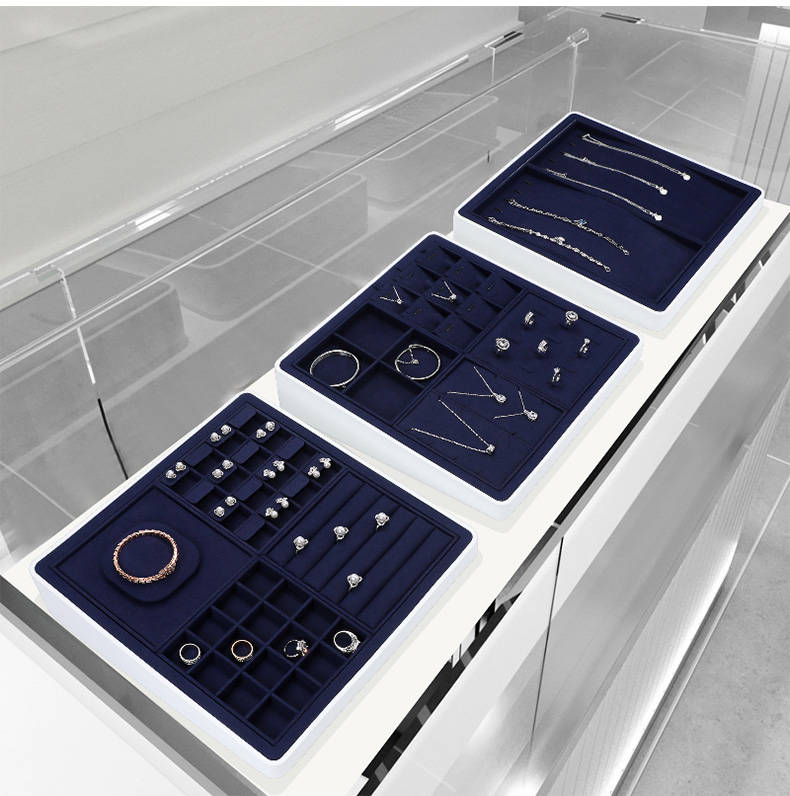
3. Metal Trays (Brass, Stainless Steel etc.)
Metal trays make an elegant addition, but can tarnish or scratch without proper care: To restore shine use a soft lint-free cloth (e.g. microfiber cloth) along with metal-specific cleaner (such as brass polish for brass trays and stainless steel cleaner for stainless steel) along with baking soda paste to gently restore its luster. For light tarnish treatment use baking soda paste mixed with water instead as this provides more gentle results.
Scratch Prevention: For best results, avoid using any tools with rough surfaces (e.g. scouring sponges or steel wool) or harsh cleaners as these could scratch metal’s surface and potentially cause permanent damage. When cleaning, always rub in the direction of its grain (if visible) to limit any potential for scratching.
Tarnish Protection: For brass or copper trays, apply a thin coat of clear nail polish or metal sealant (once or twice annually) to slow tarnishing; test this approach first on an inconspicuous area to make sure it does not discolor the metal. 4. Natural Fiber Trays (Rattan, Linen and Hemp)
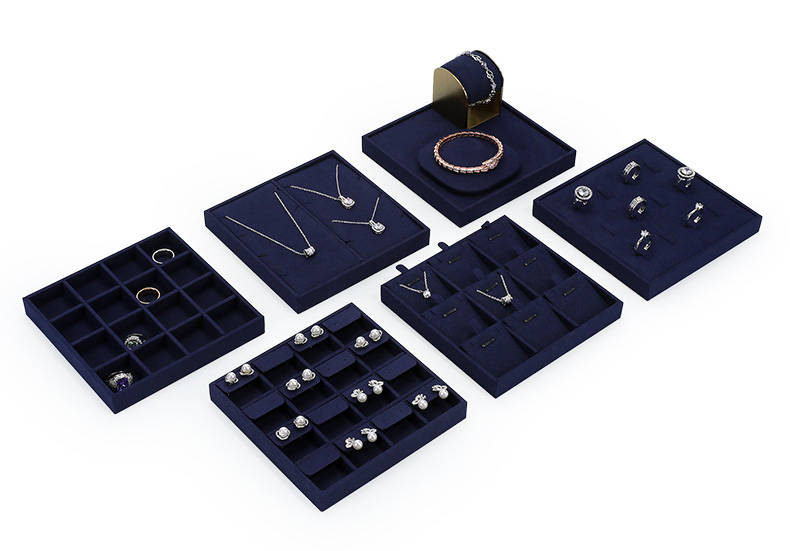
Eco-friendly natural fiber trays require regular care to prevent fraying or mold: For dusting purposes, dust using either a dry cloth or vacuum with soft brush attachment – for rattan surfaces gently vacuum between weaves of material until all dust particles have been collected.
Cleaning: For small stains, spot-clean them using a mild detergent (e.g. dish soap) mixed with warm water. Use a soft cloth to dab at the stain; this helps avoid fraying linen fibers or loosening rattan fibers when scrubbing is not advised.
Moisture Control: For best results, natural fiber trays should be kept away from humid environments (e.g., near sinks) to reduce mold growth and moisture build-up. If wetness occurs in a jewelry display tray, allow it to air-dry in an area away from direct sunlight as direct sun can fade or dry out fibers over time.


